
01.
How We Turned Insights into Action
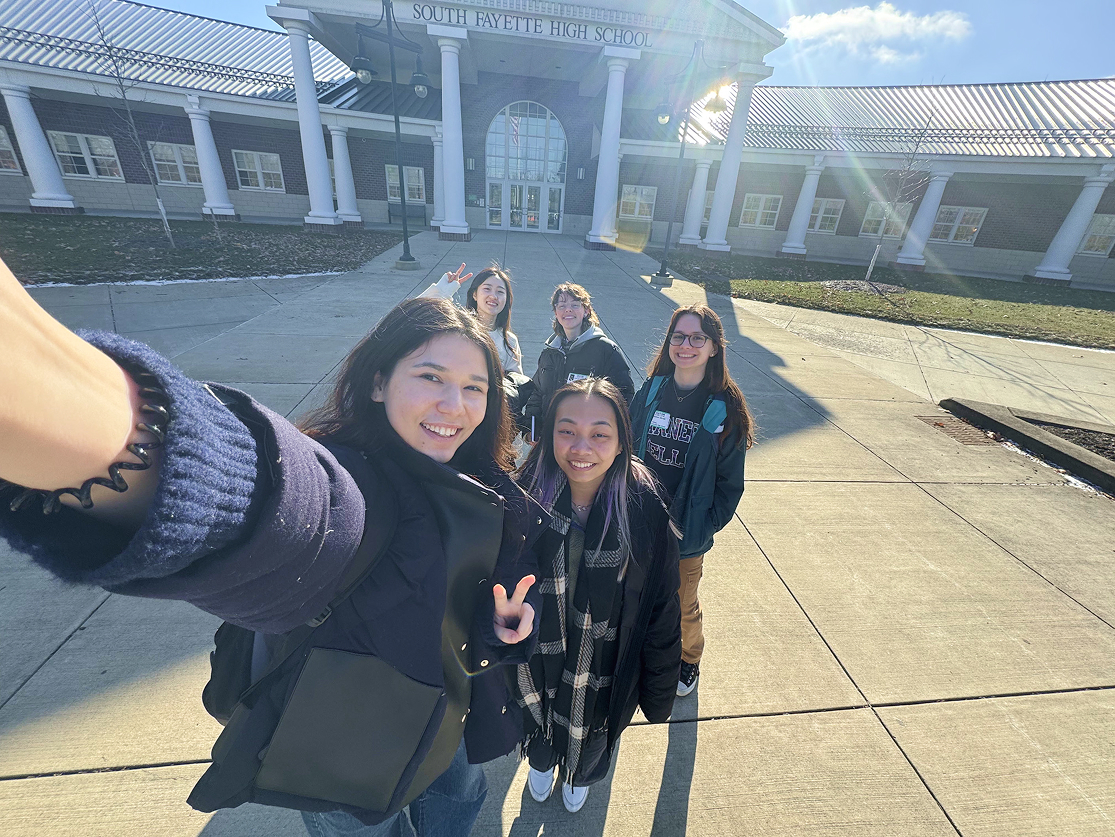
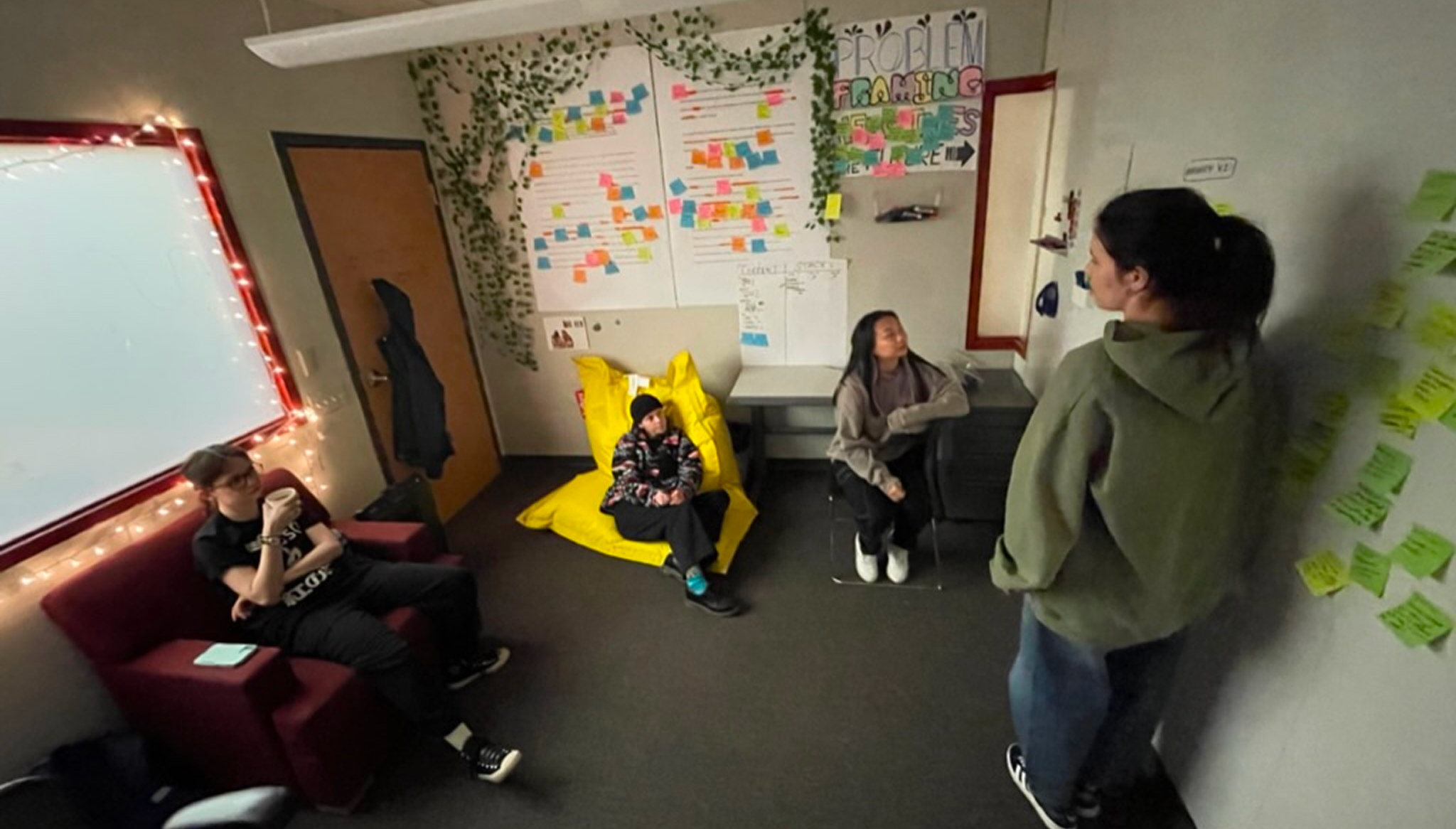
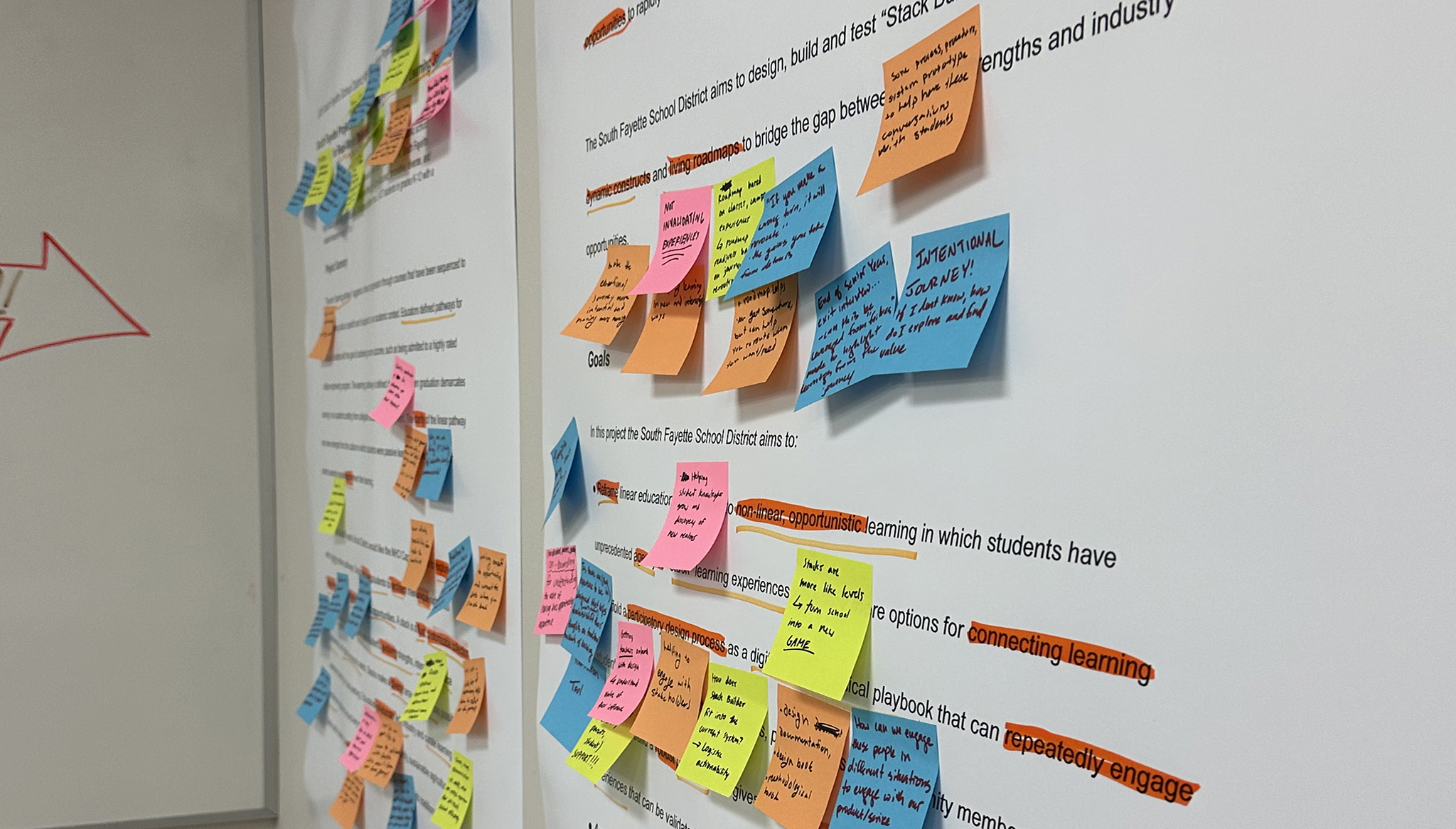
Our final solution wasn't built in a vacuum. It emerged through cycles of prototyping, feedback, and iteration. This process was grounded in the voices of students, educators, and families. Each design decision connects directly to what we heard in research.
We tested, asked, and refined until our solution reflected the needs that mattered most.
02.
What We Built & What We Learned
We started our design iteration by testing 3 distinct prototypes, each one tackling a different need. Here are the three core design insights that helped us shape the final solution:
Low-Commitment Exploration
What We Heard:
Students are already juggling intense academic loads. New experiences can feel like just another responsibility.
What We Built:
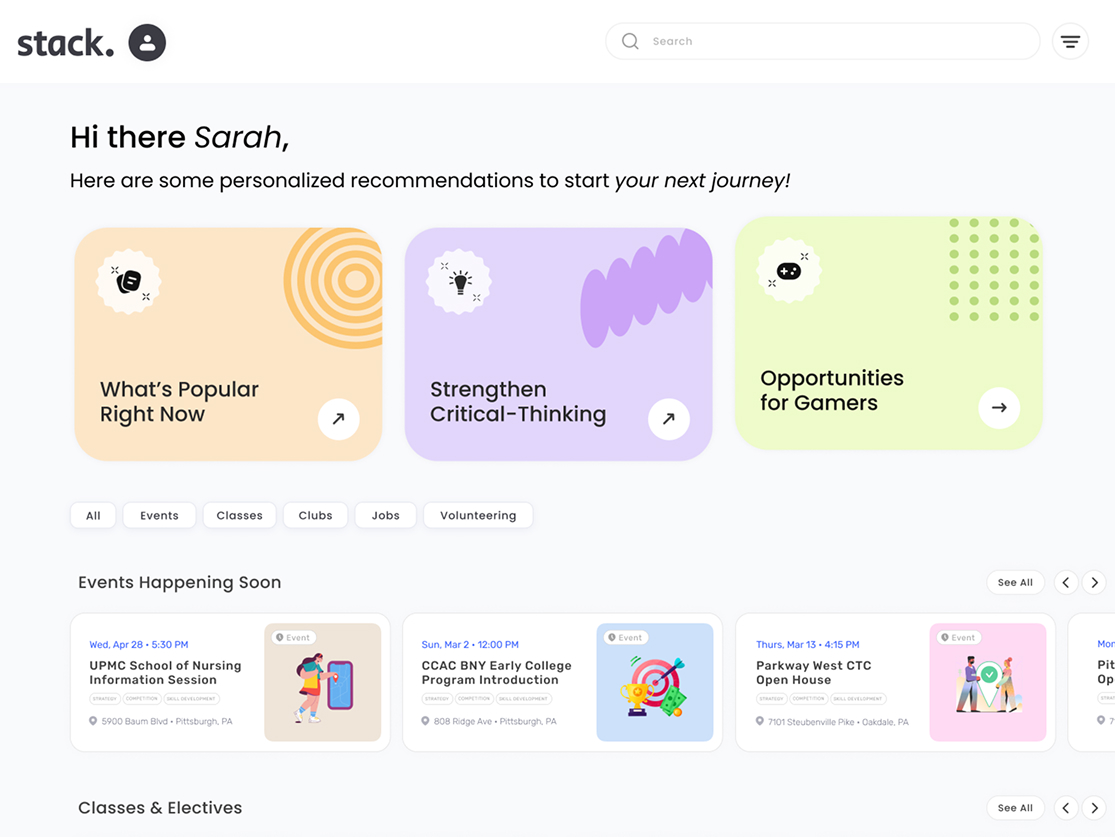
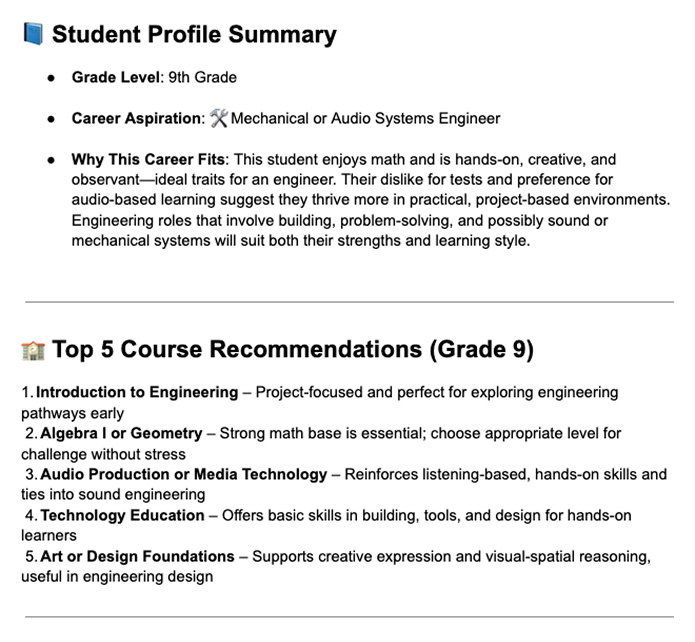
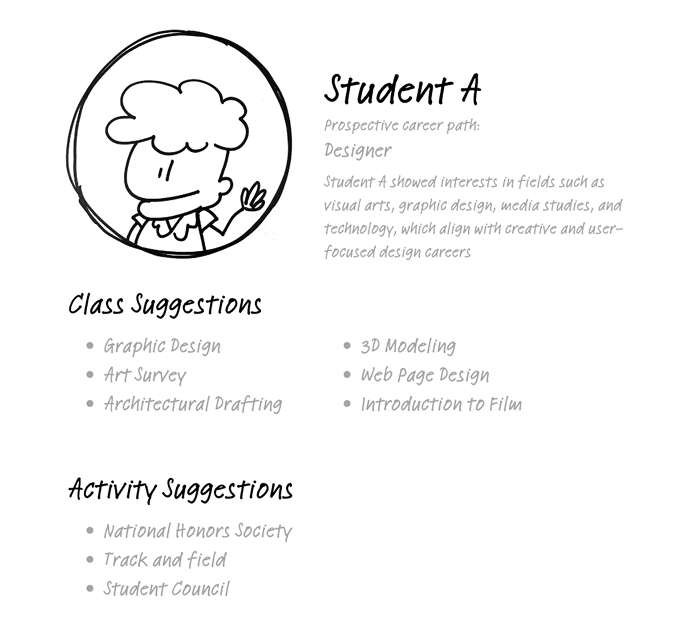
Our system includes an AI recommendation engine that acts like a “For You” page for personal development. Opportunities are personalized and delivered with no extra digging required.
So for one of our prototypes, participants were shown profiles created by ChatGPT and half were told it was from a human, while half knew it was from AI.
What We Found:
Trust ratings for the recommendations were nearly identical, whether they came from AI (3.95) or a human (3.8 out of 5). Students cared more about how helpful the suggestions were than where they came from. As one parent reflected, “It felt safe for my kid to try things out, like there wasn’t a wrong answer” (Poster Prototype, Week 2).

Students are open to AI-driven exploration when it's low-effort and relevant.
Progress Tracking & Visual Growth
What We Heard:
Students rarely get to see how their skills and interests evolve over time. Instead, learning often feels like a disconnected series of grades, projects, or events with little sense of momentum or personal growth.
What We Built:
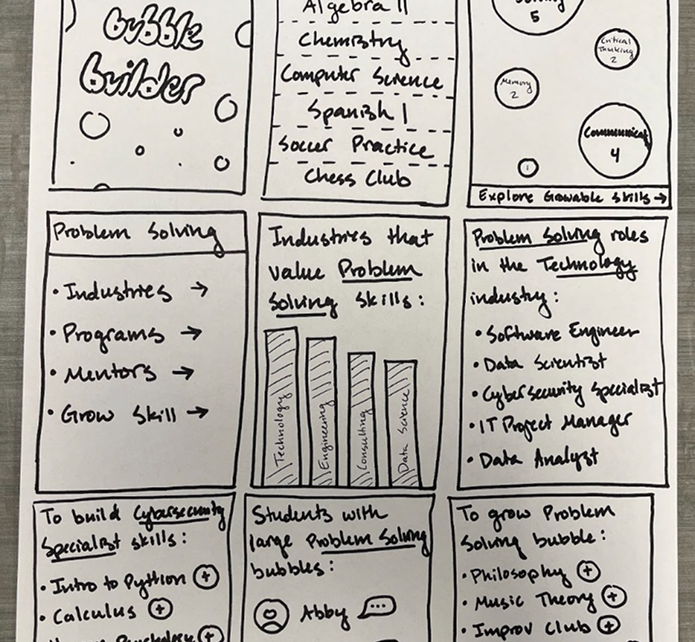
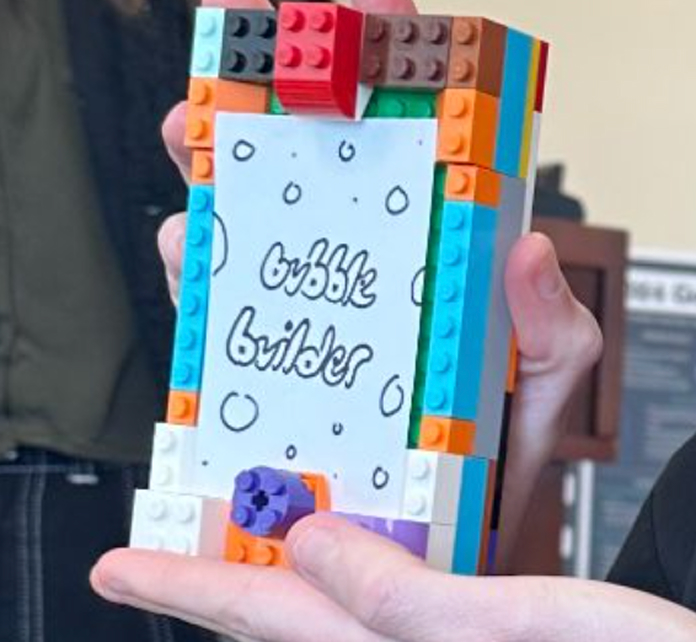
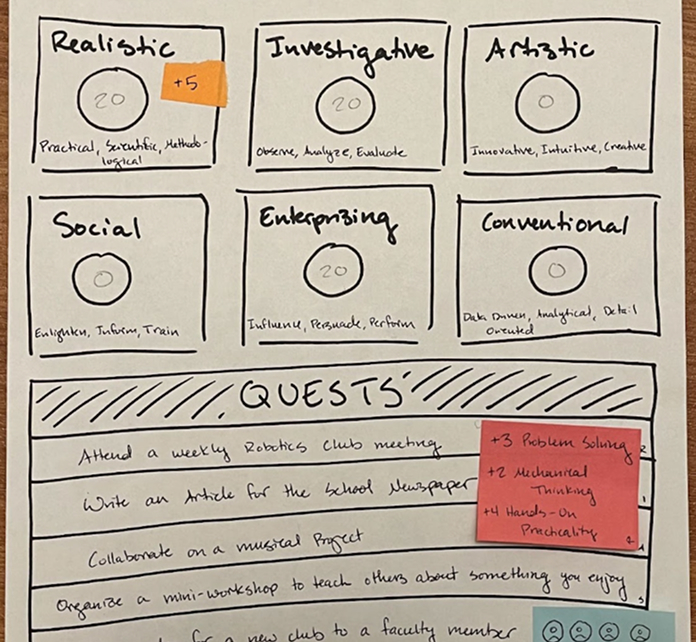
We designed dynamic, evolving visualizations that showed how students grew through experiences. These tools helped students track progress across different skills and interests, not just final outcomes, by mapping their paths into interactive “bubbles.”
Students explored interest-based learning paths where each activity or class dynamically expanded related “bubbles,” representing emerging skills. As they navigated through the experience, students were able to see how one opportunity could lead to another, helping them connect seemingly separate experiences into a coherent journey.
What We Found:
Visualization helped students make sense of abstract growth, such as the development of soft skills, by turning it into something more tangible and visible. Teachers also found the visualizations valuable, as one English teacher noted “It helps reduce stress and anxiety by showing concrete steps to get to where they want to go” (Bubble Builder, Week 1).
Showing growth visually helps students reflect, explore, and feel proud of their journey.
Reflection as a Learning Tool
What We Heard:
Students struggle to bounce back from failure and often tie success to external measures like grades. True growth comes from processing and reflecting, not avoiding failure.
What We Built:
In another prototype, we tested what would happen if students could take on open-ended challenges posted by teachers. After completing a challenge, students were prompted to reflect on how it influenced their skills and growth. This prototype helped surface how reflection can turn even small tasks into meaningful learning moments.
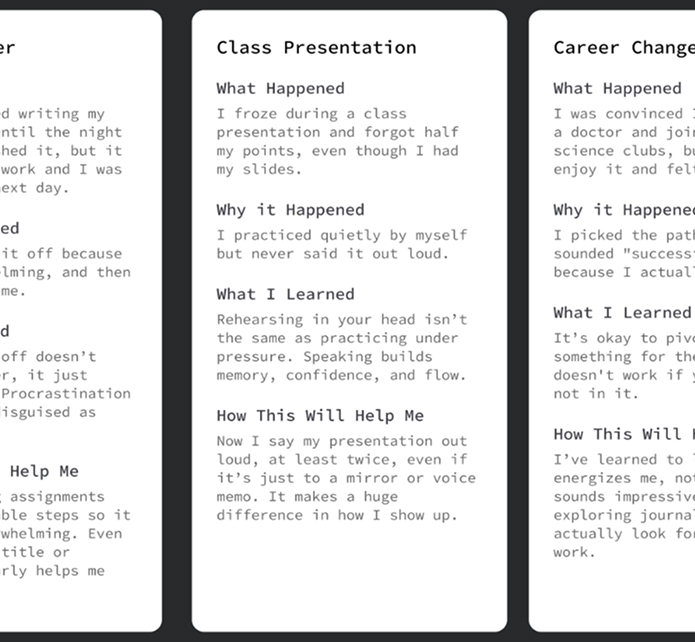
We also designed a prototype around guided reflection cards to help students revisit experiences, especially ones that didn’t feel successful, and extract value from them. Students were shown peer failure stories, then asked to reflect on their own. We measured mindset shifts through pre- and post-surveys using Likert scales and qualitative prompts.
What We Found:
Students responded strongly to stories and prompts that helped them reframe past experiences in a more constructive light. These reflection tools contributed to a noticeable rise in motivation scores and gave students a clearer sense of their goals and mindset. As one teacher shared, “It gives them goal clarity… to understand what they want and why.” (Campaign Craft, Week 3).
Reflection can reframe failure and help students extract value from challenges.
03.
Final Thoughts
Each prototype brought us closer to understanding what students truly need, not just structure, but support for exploration, reflection, and growth. Our final design champions a mindset of curiosity, not perfection, helping students build confidence in paths that are uniquely their own.

Want to See More?