
01.
Introducing Our North Star

Empower students to take ownership of their academic journey by nurturing their curiosity and sense of agency.
We kicked off our research by grounding ourselves in a guiding purpose by centering the needs of students, not predefined solutions. From the beginning, we focused on what kind of future we wanted to enable for students, and how schools could better support that future.
This guiding vision shaped our research approach, helping us decide who to talk to, what questions to ask, and what signals to follow as we look deeper into public education as the problem space.
02.
Exploring Parallel Systems
Before zooming in on South Fayette, we looked outward. We explored models from other domains and regions, asking what makes a system truly empowering.

Lessons from Volunteering Systems...
✦ When people are internally motivated by what they’re doing, they become more resilient, creative, and engaged. They find meaning not just in outcomes, but in the process.

Lessons from Worldwide Education Systems...
✦ Schools in Denmark, Finland, and Long Beach work because they prioritize exploration, reflection, and growth, moving away from rigid academic tracks and one-size-fits-all outcomes.

Lessons from Matchmaking Systems...
✦ Matchmaking is about building systems that evolve with the individual. These systems support trial and feedback, helping people discover what fits them based on values, interests, and goals that change over time.
03.
What Insights Did We Discover?
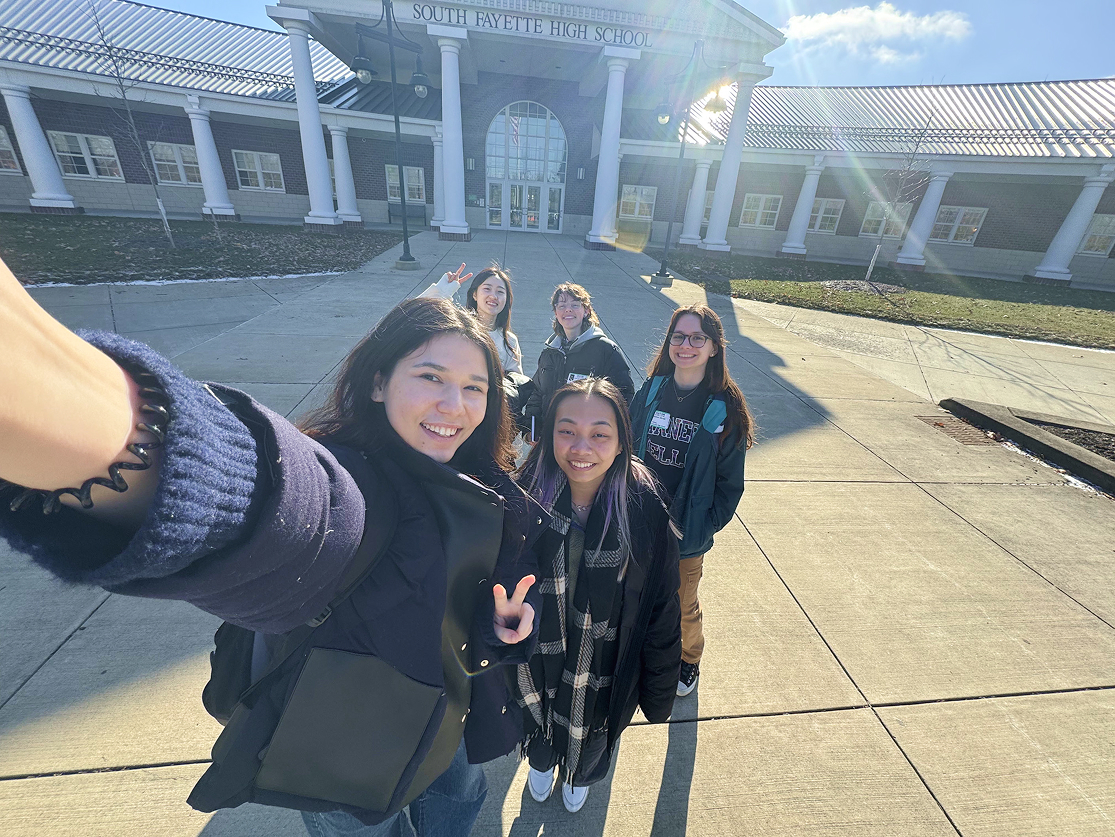
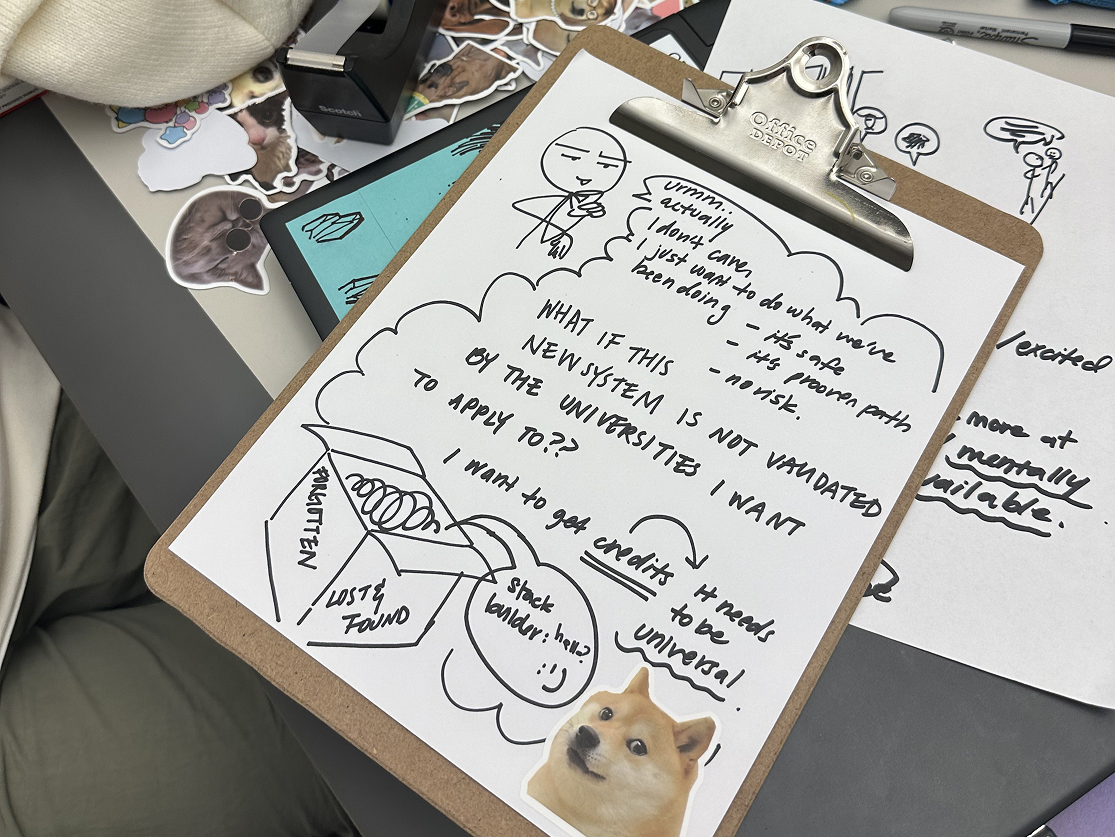
We spoke with over 150 students at South Fayette to better understand how they think about school, choices, and their futures. These conversations helped us surface three key insights that guided how we shaped our solution.
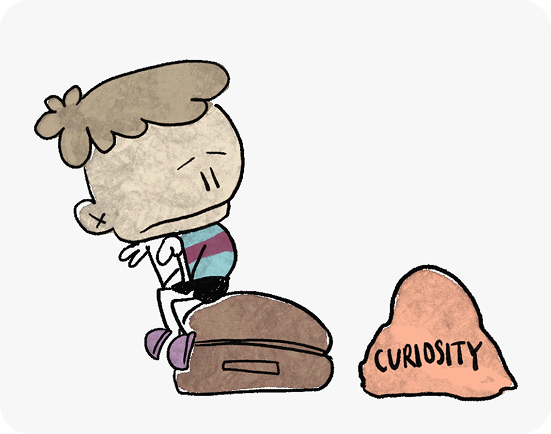
Within a system that prioritizes short-term achievement, social validation, and measurable success, curiosity starts to feel like a liability.
“I feel like I can’t afford to do something different if it might mess up my GPA.”
- 9th Grade Student, South Fayette High School
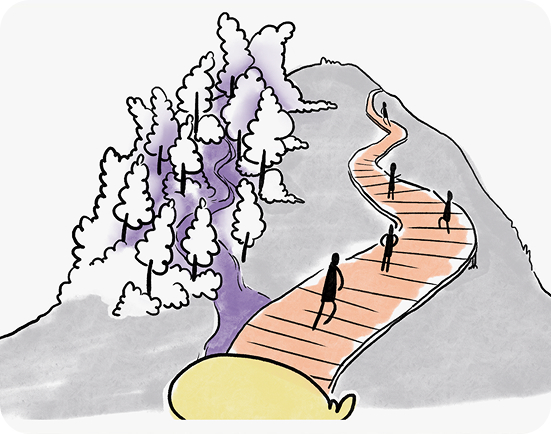
Students often make choices based on their knowledge of what they don’t like, leading them to pursue paths they can tolerate rather than ones they truly enjoy.
“I get test anxiety so I like projects more than group work. Tests aren’t my favorite”
- 11th Grade Student, South Fayette High School
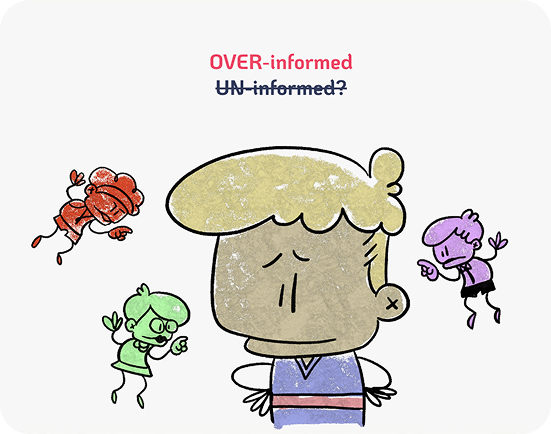
Students form false confidence in future plans by relying on external validation, before fully understanding their own identity and values.
“I wanted to be an astronaut when I was little…but engineering runs in the family so I decided to pursue Aerospace Engineering.”
- 12th Grade Student, South Fayette High School
04.
Our Design Principles
From struggling to discover their own interests to equating success with perfection, understanding student needs allows us to explore the opportunities to better their educational experience.
These findings shaped our design principles, which serve to reflect what’s missing and what our design needs to prioritize.
Put curiosity first.
Systems should spark interest, not simply measure achievement.
Normalize uncertainty.
Embrace uncertainty as growth, not a setback to fear or avoid.
Prioritize identity over expectation.
Support choices based on who students are, not just expectations.
Follow the pull of excitement.
Let excitement or curiosity be the reason students take the next step.
Want to See More?